CSOSA Celebrates 25 Years
The Court Services and Offender Supervision Agency Marks Quarter-Century as Independent Federal Agency
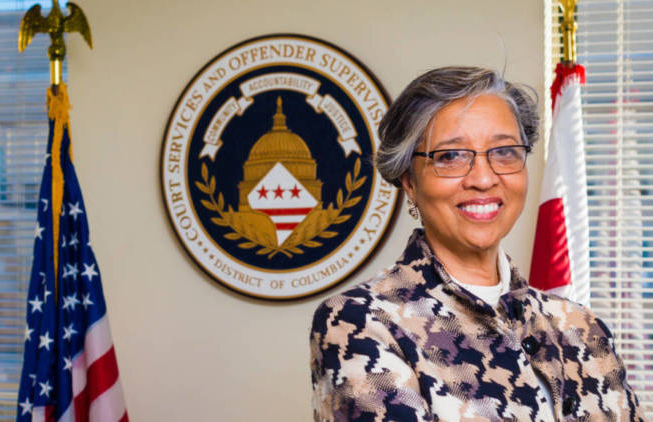
On August 4, the Court Services and Offender Supervision Agency (CSOSA) recognizes a significant milestone: 25 years as an independent federal executive branch agency serving the District of Columbia.
Since its establishment under the National Capital Revitalization and Self-Government Improvement Act of 1997, CSOSA has transformed community supervision in the nation’s capital by focusing on evidence-based practices that address the unique needs and risks of each person on supervision. The agency’s mission is to effectively supervise adults under our jurisdiction to enhance public safety, reduce recidivism, support the fair administration of justice, and promote accountability and successful re-entry in close collaboration with our criminal justice partners and the community.
A Quarter-Century of Impact
Over the past 25 years, CSOSA has supervised more than 107,000 individuals in the District of Columbia. During that time, CSOSA has remained true to its guiding principles: community, accountability, and justice.
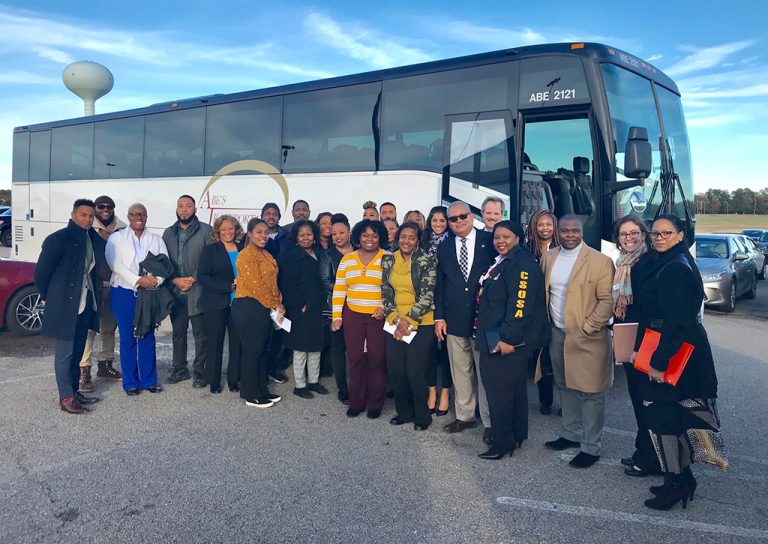
Community. CSOSA’s collaborative approach has been central to its success. CSOSA has also been a consistent presence in the community: from hosting Community Justice Advisory Network meetings, bringing together many perspectives to address public safety challenges and share resources, to tens of thousands of visits to interact with supervisees in the places they live, work, and spend time. Partnerships with community organizations, faith-based and other local and federal agencies or non-profits continue to be essential to effectively addressing the risks and needs of the population we supervise and improving the likelihood of a supervisee successfully completing their supervision term.
Accountability. Holding supervisees accountable when their conduct falls short of what is expected of them is an important tool for promoting self-regulation and pro-social behavior. CSOSA acknowledges compliant conduct and uses graduated sanctions for noncompliant conduct, implementing the least restrictive sanction necessary to correct the conduct and escalating sanctions if noncompliance continues.
Justice. Supporting individuals on their journey toward successful reintegration benefits the supervised individuals and the broader community, by reducing recidivism and enhancing public safety. The agency’s approach balances accountability with compassion, enforcement with opportunity, recognizing that effective community supervision requires both holding individuals accountable for their actions and providing them with the tools and support necessary for successful reintegration.
“CSOSA works to address the underlying factors that contribute to criminal behavior,” CSOSA’s Acting Director Denise A. Simmonds noted in marking this anniversary, “our employees use dynamic risk, cognitive behavioral, and substance abuse assessments, among other tools, to identify the specific needs of individuals and then implement intervention and supervision plans tailored to meet those needs. CSOSA’s multi-faceted approach to supervision, interventions, and stabilization, contributes to a safer, stronger District of Columbia.”
Looking Forward
As CSOSA enters its next quarter-century of service, the agency remains committed to innovation, collaboration, and excellence in community supervision. The challenges facing the criminal justice system continue to evolve and our community supervision practices are evolving with it. What will not change is the unwavering dedication of all CSOSA employees to mission achievement that characterized CSOSA’s first 25 years. We remain committed to enhancing public safety for everyone who lives in, works in, and visits the Nation’s Capital.