It’s Public Service Recognition Week!
[vc_row][vc_column][vc_column_text]
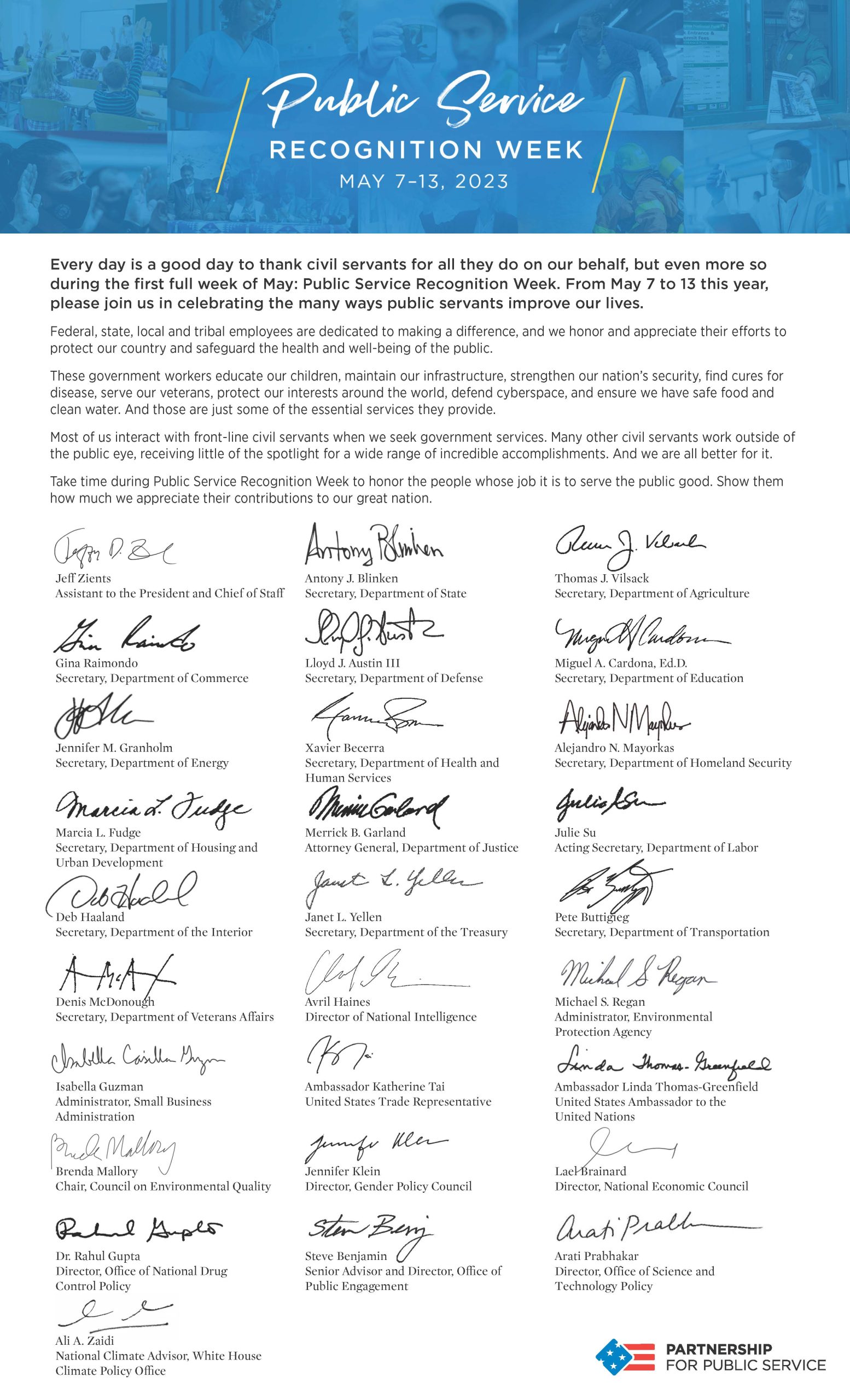
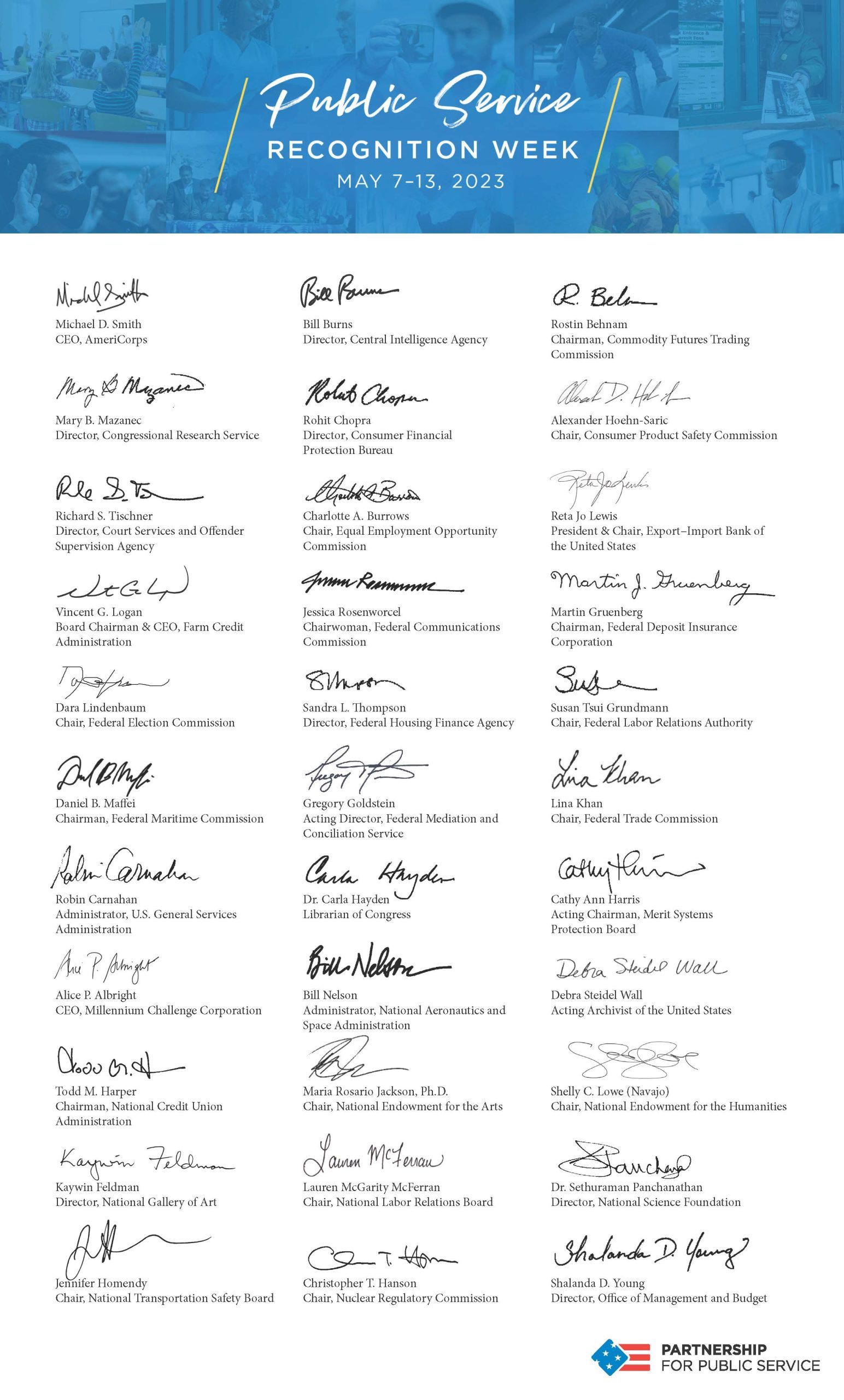
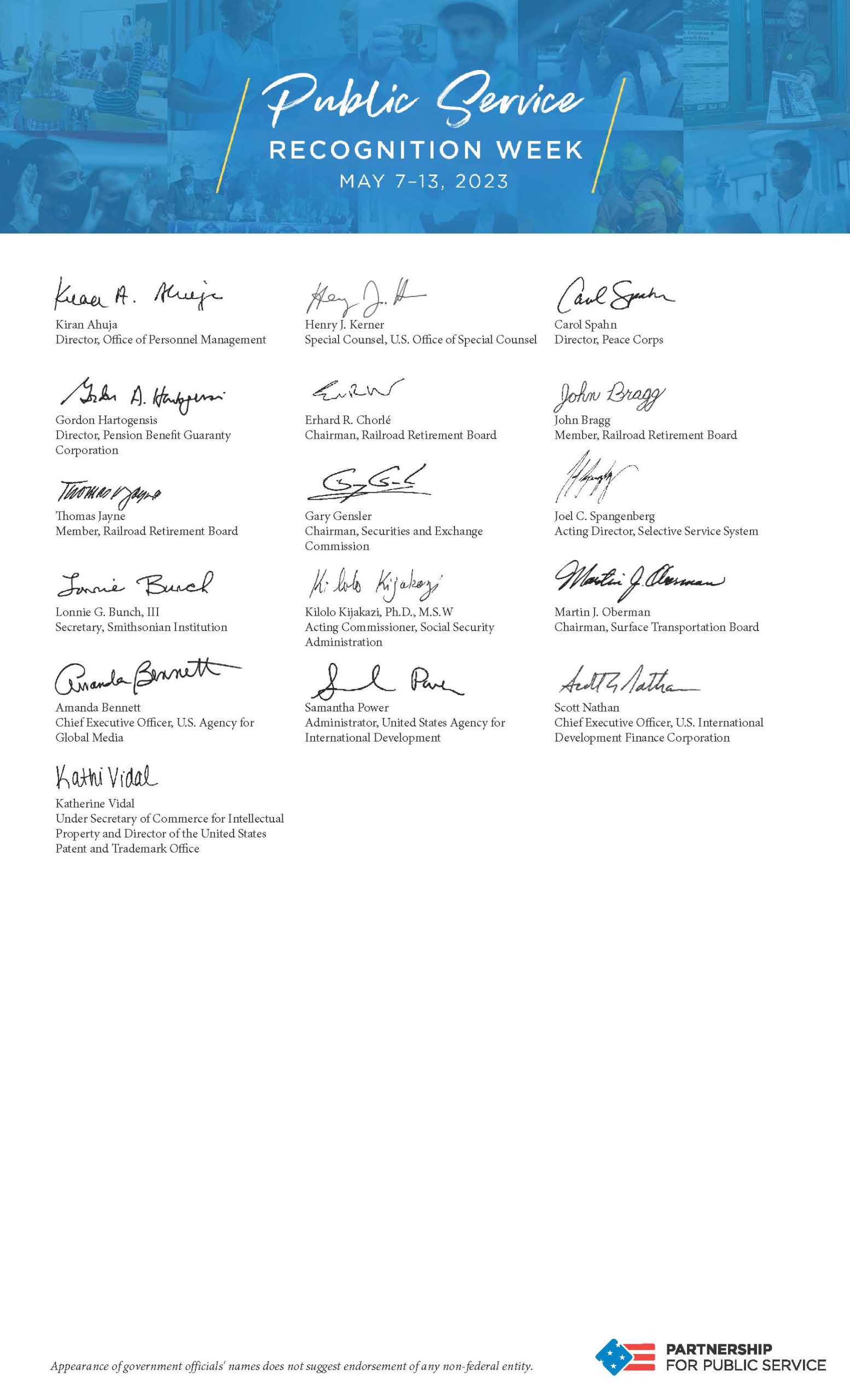
You can access a PDF version of the letter here.
[/vc_column_text][/vc_column][/vc_row][vc_row][vc_column][/vc_column][/vc_row]

[vc_row][vc_column][vc_column_text]
You can access a PDF version of the letter here.
[/vc_column_text][/vc_column][/vc_row][vc_row][vc_column][/vc_column][/vc_row]
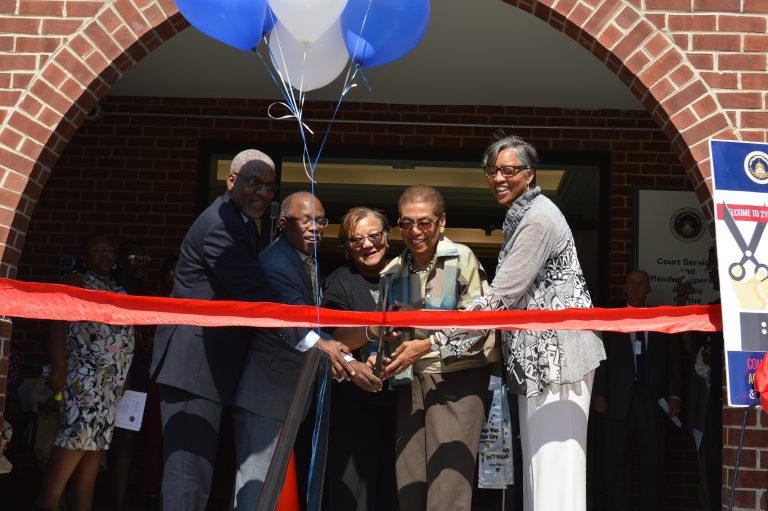
[vc_row][vc_column][vc_column_text] On August 1, 2017, we held the Grand Opening of our newest field site at 2101 Martin Luther King Jr. Ave SE. This state-of-the-art facility is located less than half a mile from our old Anacostia field site and a bit closer to the Anacostia Metro Station. Congresswoman Eleanor Holmes Norton, Councilmember Anita Bonds,…
[vc_row][vc_column][vc_column_text] The third week of July marks Pretrial, Probation, and Parole Supervision (PPPS) Week! For more than 20 years, the American Probation and Parole Association has called on the nation to honor the community corrections professionals who help keep our communities safe places to live, work, and visit. The theme for PPPS Week is Restoring…

[vc_row][vc_column][vc_column_text]Data is integral to providing evidence-informed and evidence-based community supervision to the people under our jurisdiction. Data informs our decision making and helps us track our progress towards our strategic goals. We enhance public safety and reduce recidivism in the District of Columbia, help integrate the people we supervise into the community, promote accountability for…
Heroes Behind the Mission: Changing Lives, Securing Safety The Court Services and Offender Supervision Agency (CSOSA) joins agencies nationwide in celebrating National Pretrial, Probation, and Parole Supervision Week. Created by the American Probation and Parole Association 25 years ago, this annual observance highlights the essential work of community corrections professionals who promote accountability, support successful…
[vc_row][vc_column][vc_column_text]Type “definition of success” into an Internet search tool and you are bound to get a wide-ranging variety of responses. Regardless of how you define success, many find that the path to achieving it is not a straight line. Persevering in the face of obstacles and setbacks is critical. We acknowledge that while every path…
It’s Public Service Recognition Week! CSOSA is honored to celebrate and express gratitude to its employees for all they do. Celebrated the first full week in May since 1985, Public Service Recognition Week honors the people who serve our nation as federal, state, county, local, and tribal government employees. In a Proclamation on Public Service…